


Don't fill in your vehicle logbook on the last day of the month



It’s the last working day of the month, half past two in the afternoon. The accountant posts in the company group chat for the third time: “Who hasn’t sent me their logbook yet?” A sales representative is sitting in his car outside a client’s premises, scrolling through the calendar on his phone and trying to remember where he actually went on Tuesday two weeks ago.
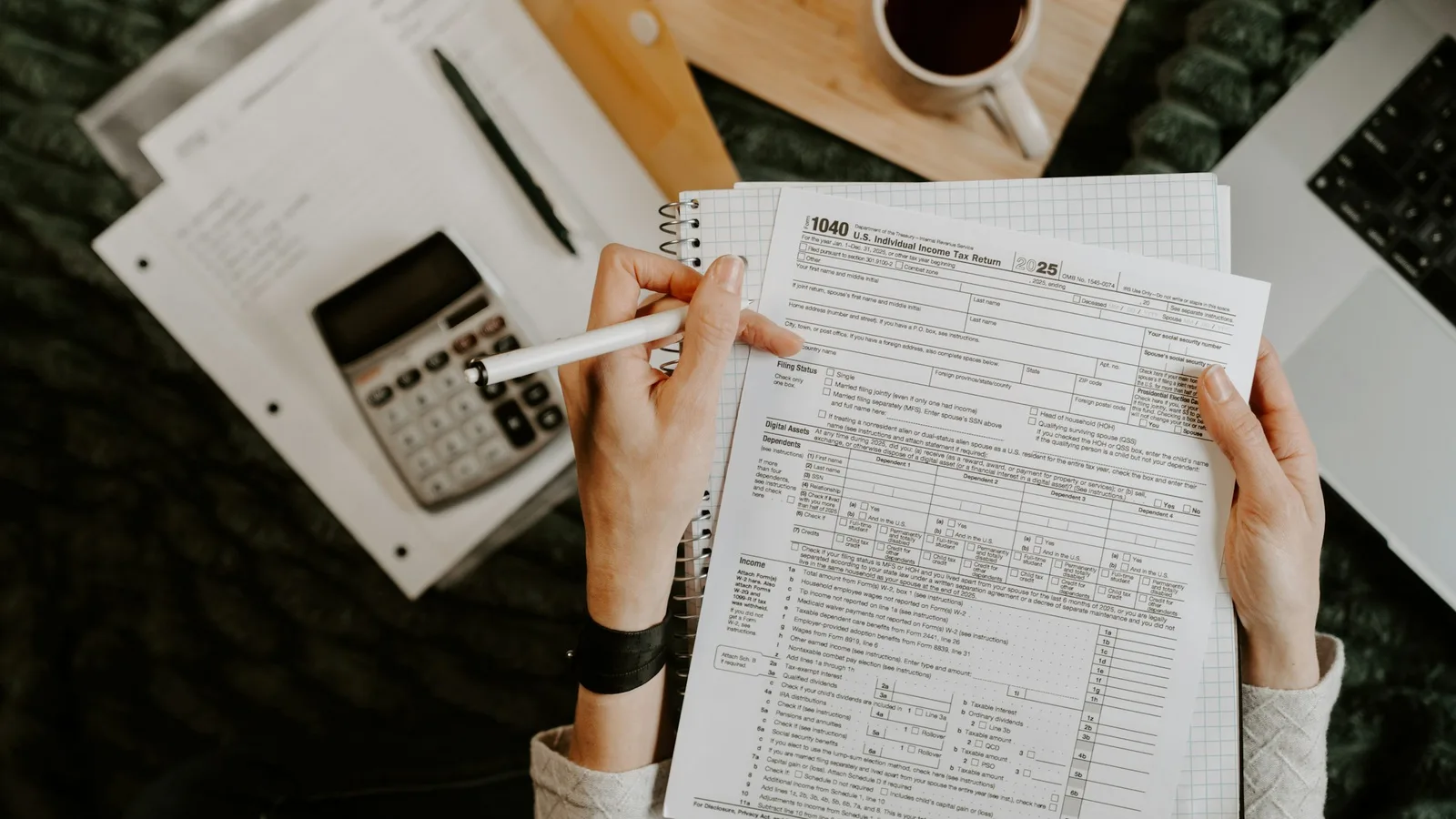
Thirty days in a single afternoon
The monthly logbook is often compiled retrospectively, based on whatever evidence can still be found. A calendar, credit card statements and petrol receipts left in the glove compartment can help. The odometer reading is taken from the last service invoice, and any missing kilometres are spread across the days when he ‘probably went somewhere’. When it comes to the purpose of the journey, one word appears most frequently: business.
The accountant has no way of verifying this. She transcribes the figures into a spreadsheet, checks that the totals add up, and repeats the whole process a month later. Nobody set out to conceal anything; it’s just that after three weeks, one simply can’t remember whether one was in Trnava or Senec on a Wednesday.
Why this will be more than just an inconvenience from 2026 onwards
Whilst the logbook was mainly kept for organisational purposes, having to backdate a month’s entries was a nuisance, though not a critical issue. However, from 1 January 2026, a new transitional provision of the VAT Act, Section 85n, has been in force in Slovakia, initially until 30 June 2028. If a company uses a private car for both business and personal purposes, it may deduct VAT at a rate of only 50 per cent. This applies to cars purchased from the start of 2026, to long-term leases, and to the car’s running costs: fuel, servicing and tyres. For these costs, it no longer matters when the company purchased the car.
Full tax relief remains available for cars used exclusively for business purposes. However, the company must provide evidence of this in the form of detailed electronic records, kept separately for each car. Furthermore, the use of a car for business purposes must be reported to the tax office using a Financial Administration form.
What must be included in the record
Section 85n(6) of the Act specifies what the records must contain in particular:
- Car: VIN, registration number, vehicle make and model.
- Tachometer: the status on the day you start keeping records, at the end of each tax period, and on the day you cease keeping them.
- Each journey: serial number, driver’s name, start and end dates and times, purpose of the journey, start and end locations, kilometres travelled, and odometer readings before and after the journey.
- Costs: goods and services for vehicle operation, with each item specified, including price excluding VAT and date.
Paragraph 7 also deserves attention. Upon request from the tax office, you must make the records available electronically within the timeframe specified by the office. In such a case, a notebook from a filing cabinet is not sufficient, nor is a spreadsheet that someone fills in the evening before the deadline.
What does a month look like when backdated?

The law does not specify at what time a journey must be recorded. However, during an inspection, the records are not examined in isolation. The mileage can be cross-checked against fuel receipts, the actual route length on a map, attendance records and the work calendar.
A month pieced together from memory is easy to recognise. The same number of kilometres every day. The same purpose for every journey. A speedometer that jumps by a few hundred kilometres between the end of one month and the start of the next, and nobody knows why. Or refuelling in Žilina on a day when, according to the logbook, the car was parked outside the office in Bratislava all day.
In most cases, this is not due to fraud, but simply a lapse in memory. However, during an inspection, it is difficult to distinguish between a mistake and an unaccounted journey, and those who keep up-to-date records need not explain anything.
The 100% deduction hinges on the word ‘exclusively’. If a company car is also used for a trip to a holiday cottage or weekend shopping, this constitutes mixed use and a 50% VAT rate applies. Please check with a tax adviser to see how these rules apply to your specific vehicles.
What could be more helpful than a reminder from the bookkeeper?
The biggest difference lies in the time taken to record the journey. A journey recorded in the car park immediately upon arrival takes a minute. The same journey, recorded three weeks later, takes ten minutes and is still not guaranteed to be accurate. That is why it is a good idea for the driver to have the logbook to hand where the journey ends, that is, on their mobile phone, not on a computer in the office.
A specific purpose also helps. ‘Meeting with a client, Nitra’ tells the inspector more than simply ‘on business’, and it doesn’t take anyone any longer. And it’s better to take a photo of the petrol receipt straight away at the till, before it disappears into the compartment amongst the parking tickets.
A little test for this month. Choose one company car and compare its logbook with the fuel receipts. Do the location and date of each refuelling match where the logbook says the car was on that day?
webDrive
How webBox handles this
The webDrive module transfers the logbook from paper forms and spreadsheets to an app on both mobile and desktop devices. The driver records the journey in a single form immediately upon return: vehicle, purpose, route and odometer reading. Saved routes and the most frequently visited locations are right at their fingertips, so recording the journey takes no longer than parking the vehicle. If you track vehicles via GPS, journeys can be imported directly from there, with times and routes exactly as they actually took place.
Fuel and other expenses are recorded with supporting documents, so mileage and receipts are reconciled during the month, not just at the end of the accounting period. Private journeys are recorded separately. The accountant filters the journeys by driver, vehicle or period and exports them to PDF or Excel when requested by the tax office. Journeys from the logbook can also be transferred to a travel authorisation, so the sales representative does not have to enter the same journey twice.
To find out what an electronic logbook must contain and how webDrives meets the requirements of the amendment, please visit the logbook page.
Did this article catch your interest?
We'll walk through your processes and show you how it would work in your company.