


Where do hospital meal orders go missing?

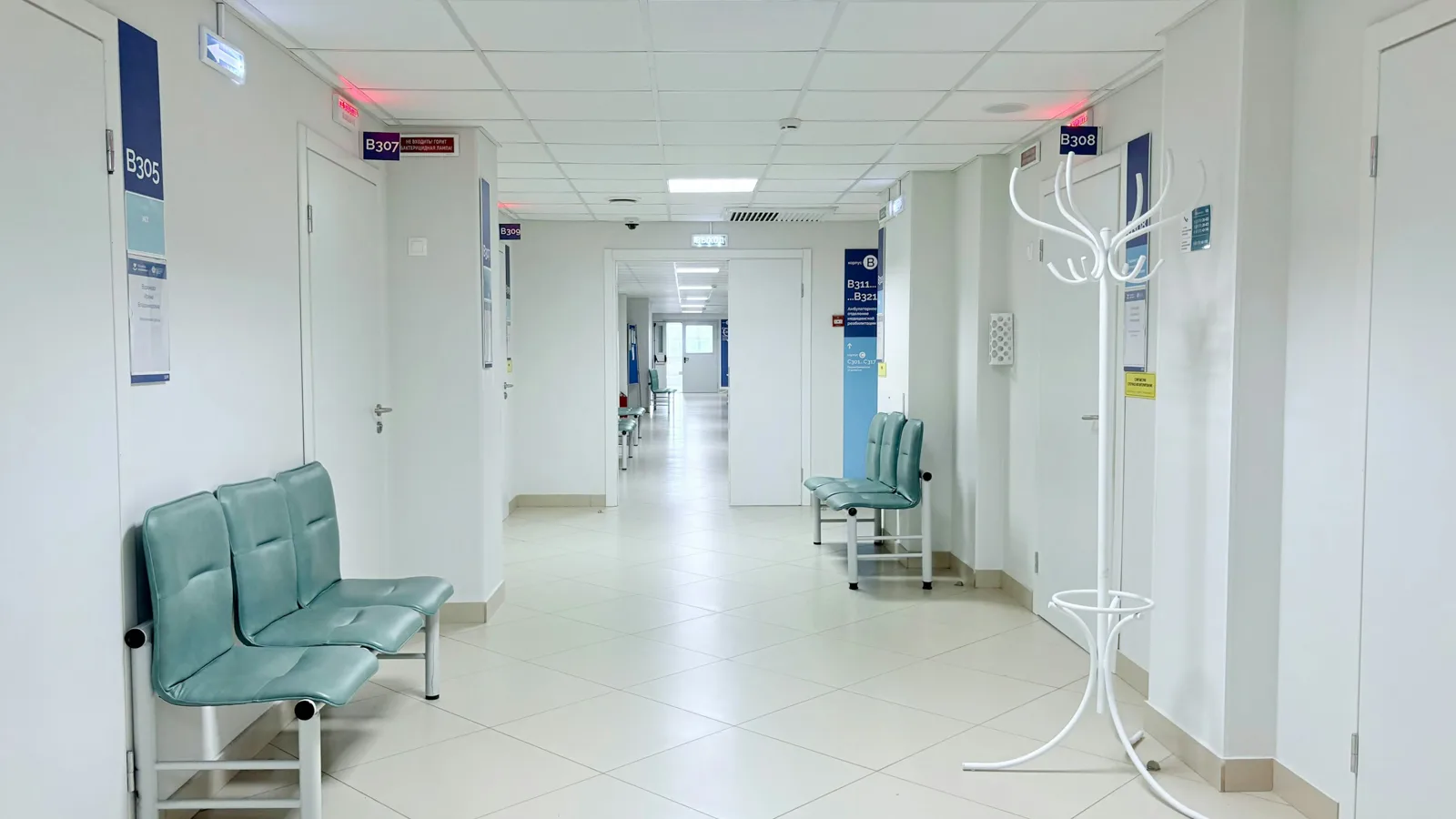

During the morning ward round, a doctor changes the diet of the patient in room 412. At lunch, the patient still gets a tray based on yesterday's list. Nobody neglected anything. The information simply got lost in the paperwork on its way from the fourth floor to the kitchen.
A list that gets written three times
On the internal medicine ward, the morning round is under way. The doctor changes the diet of the patient in room 412 from a standard diet to a diabetic one. The nurse records it in the patient's notes and then once more on a paper diet list, which a porter takes down to the kitchen at ten. There, someone copies it into their own spreadsheet, counts the portions by diet and, if an external caterer does the cooking, passes the numbers on.
The same piece of information is written down three times in one morning, each time by a different hand. Every copy is a chance for a mistake: a wrong room number, a swapped digit, a line that got lost along the way.

Numbers the whole ward understands
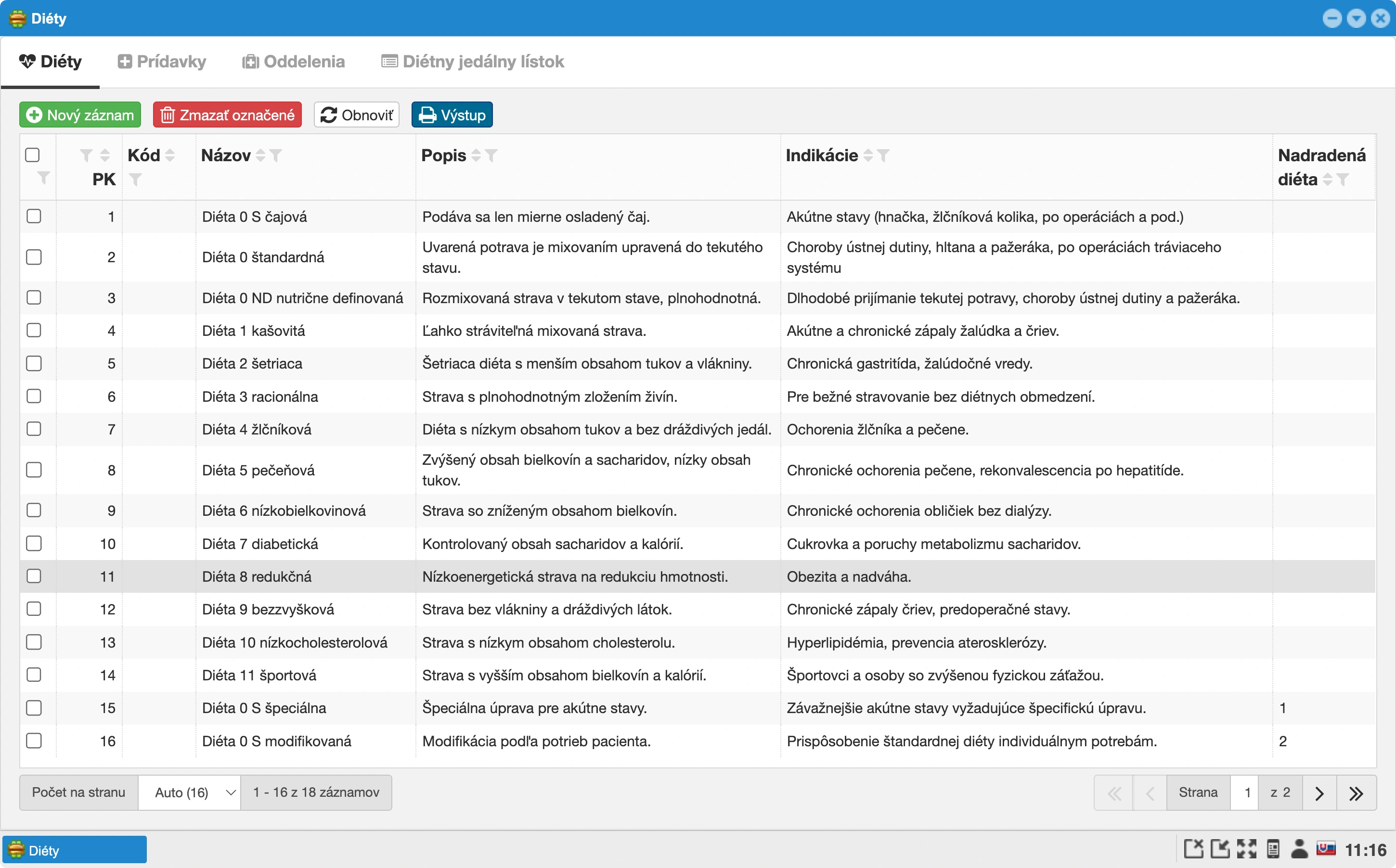
In Slovak hospitals, diets have numbers that staff know by heart. The standard diet No. 3 is for patients without dietary restrictions, the diabetic diet No. 9 for patients with diabetes. On top of these, every facility has its own diet system with further diets and modifications.
On paper, a diet number is a single character. A hastily written 3 and 9 are easier to mix up on a crumpled list than anyone would like. And nobody in the kitchen asks why the patient in room 412 is suddenly getting different food than yesterday.
Patients change faster than the list
A diet list captures the situation at the moment someone wrote it. A hospital, however, keeps moving all day. A patient goes for a test on an empty stomach in the morning, so their breakfast has to be cancelled. After a procedure, they get a different diet for a few days. In the afternoon, two people go home, and in the evening admissions sends three new patients up to the ward.
Every change like that means a phone call to the kitchen, a note on the door or a correction in pen right on the list. If nobody writes the call down, the kitchen cooks from the morning version. A discharged patient gets a lunch nobody will eat, and a newly admitted one waits until something can be found for them.
What a wrong tray means
For the kitchen, a wrongly served portion is mostly a nuisance. The extra one ends up in the bin, the missing one has to be made in a hurry. For the patient, it can be more serious. A person with diabetes gets a regular lunch with a sweet dessert. A patient who is only allowed light food after a procedure gets a full plate.
Most of these mistakes are caught by a nurse when the trays are handed out. But the fact that someone usually catches them is not a system.
A small test for tomorrow. Compare the morning's paper diet list with what the kitchen actually served at lunch. Count how many portions differ, and for each one, find out where the change got lost.
The kitchen needs numbers, not paperwork
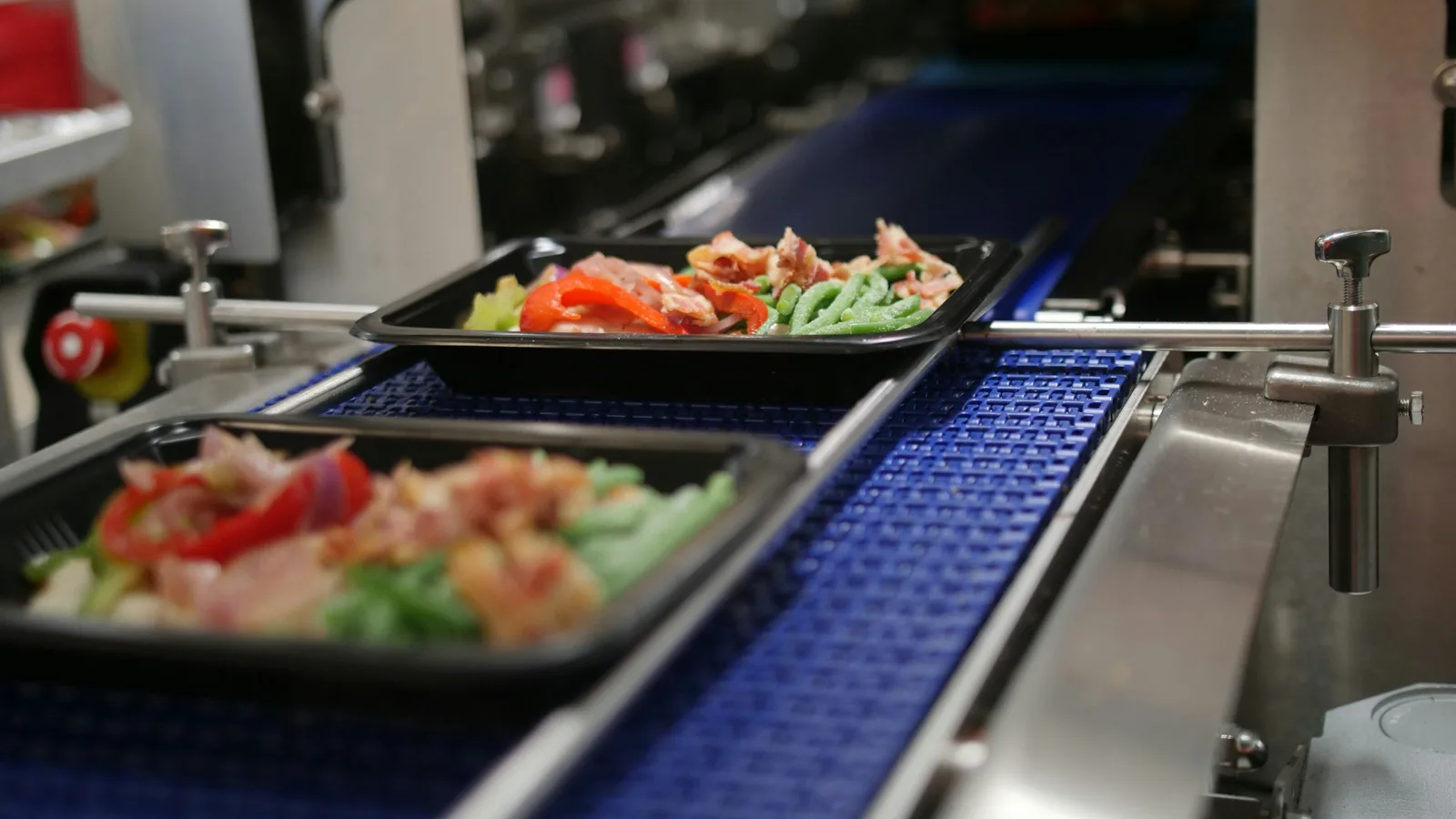
Neither the main kitchen nor the caterer needs to know everything about the patients. They need to know exactly how many portions of which diet to prepare, for which ward and by when. If several kitchens cook, for example one for patients and another for staff, each has its own menu and its own time until which it accepts orders. A paper system mixes them up easily.
One rule holds it all together: the cut-off. Until a certain hour, orders can be changed, then the cooking starts. When everyone knows until when a change counts, the kitchen does not have to guess and the wards do not have to call.
A diet is prescribed by a doctor, and its composition is set by your facility's diet system together with a dietitian. No software replaces that decision. Its job is to make sure the prescribed diet reaches the kitchen without being copied out by hand, and in the right numbers.
How to move off paper without chaos on the ward
Start with one ward and one kitchen. Map out who writes the diets down today, who copies them and when the list leaves for the kitchen. The hour the paper leaves today is a good candidate for the cut-off in the system.
Involve the nurses from the very start, because they will feel the change first. For the first few days, keep the paper list running alongside and compare the numbers with the system in the evening. Once they match several days in a row, the paper can go.
webApetit
How webBox solves it
The webApetit catering system has a diet system in which meals are ordered according to the diets prescribed to patients. The nurse orders meals for the ward directly on the web, and the diet is not copied anywhere else. Orders can be changed and cancelled right up to the cut-off, so a change after the ward round, a discharge or a new admission shows up without a phone call to the kitchen.
After the cut-off, the system automatically sends the kitchen or the caterer the exact number of portions. If the hospital has several kitchens, each has its own menu and cut-off times under one roof. Orders, diets and meal service stay in the history in the cloud, so you can look up at any time what was ordered for whom and what was served. Roles decide who can see and change what. The same system also handles staff meals, with meal entitlements carried over directly from attendance.
Did this article catch your interest?
We'll walk through your processes and show you how it would work in your company.